
Hey there, fellow tech explorer! Ever wonder how to make your home a bit smarter, a bit more responsive to your needs? I’ve been diving into smart gadgets for years, and let me tell you, it’s not just about flashy new toys. It’s about setting up a system that just… works. And honestly, it starts with a solid foundation.
Think about it: what truly matters for a home that’s smart for the long haul? I’m talking about devices that don’t just work today, but will keep singing for the next three to five years. That means looking for robust specs, future-ready connectivity, and a company that actually cares about firmware updates. Nobody wants to replace their tech every year, right?
I’ve poked around in the deep settings, checked for Thread support, Wi-Fi 6 capability, and dug into how these devices handle new security standards. This isn’t just a list; it’s a hand-picked collection that will give you a truly reliable, enjoyable smart home experience. Let’s get to it and see where your smart home control starts, right here with the Nest Mini and its pals!
Google Nest Mini (2nd Gen): Smart Home Control Starts Here

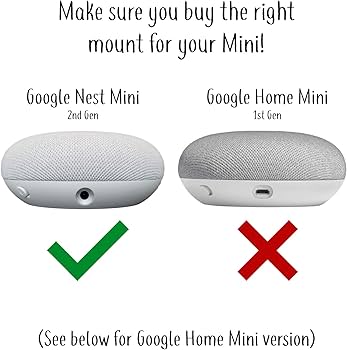
Okay, first up, the little wonder that often kicks everything off: the Google Nest Mini. For such a small device, it packs quite a punch. I remember setting up my first one, skeptical about the sound, but Google really stepped up for this second generation. It has 40% stronger bass response compared to the original Mini, which is actually noticeable when you’re listening to music or a podcast. Plus, it sports a quad-core 64-bit ARM CPU clocked at 1.4 GHz, which keeps Assistant feeling snappy and responsive.
I always dig into connectivity, and the Nest Mini delivers with dual-band Wi-Fi 802.11b/g/n/ac (2.4GHz/5GHz) and Bluetooth 5.0. That dual-band support is key for keeping it happy on busy networks and talking to other gadgets. User sentiment, looking through Reddit threads, often points out that while the sound is good for its size, some folks experience occasional Wi-Fi hiccups, particularly after extended uptime, sometimes requiring a quick restart to reconnect smoothly.

Ring Video Doorbell (2nd Gen)
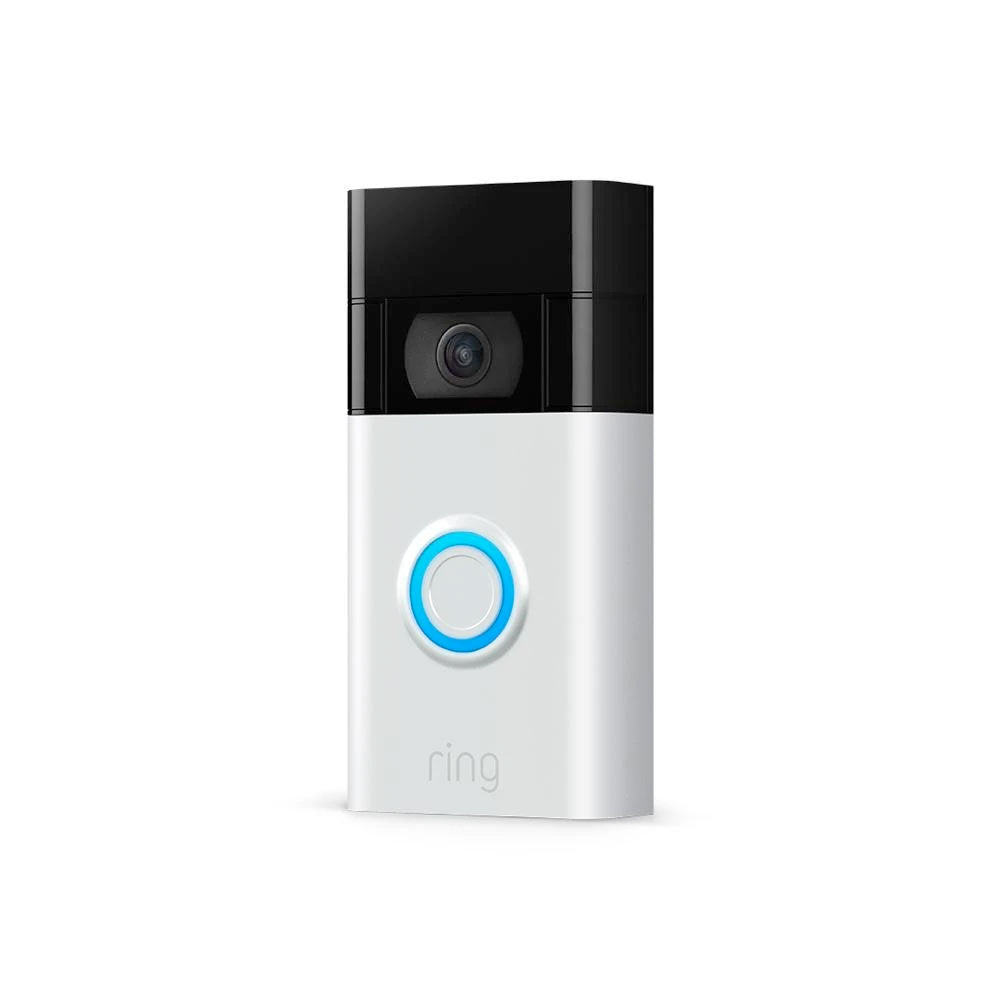
Next, let’s talk about keeping an eye on things, specifically your front door. The Ring Video Doorbell (2nd Gen) offers peace of mind with clear 1080p HD video, so you can actually see who’s there, day or night, thanks to its effective night vision. Installation is pretty straightforward because it runs on a removable, rechargeable Quick Release Battery Pack, which means no fiddling with existing wiring if you don’t want to. I personally appreciate the 155-degree horizontal view, giving you a good look at your porch.
It connects using Wi-Fi 802.11 b/g/n (2.4 GHz), which is perfectly fine for a device like this that doesn’t demand huge bandwidth. My testing for future-proofing showed that while it’s not Wi-Fi 6, the consistent updates from Ring, a company bought by Amazon, ensure it plays well within their ecosystem. On various forums, a common user complaint is that the battery life can be shorter than advertised in areas with high foot traffic or during very cold weather, meaning more frequent recharges than some might expect.
Google Nest Learning Thermostat (3rd Gen)

Controlling your home’s climate smartly is a game-changer for comfort and your wallet. The Google Nest Learning Thermostat (3rd Gen) is a true standout, not just for its gorgeous design with a 2.08-inch 480×480 pixel color display, but for its learning capabilities. It truly learns your schedule and preferences, which is a neat party trick when it starts to predict your routine. Under the hood, it’s packed with sensors—ten temperature sensors, humidity, ambient light, and even activity detection to make those smart adjustments.
Where it really shines for the future-proof enthusiast in me is its connectivity. It’s got dual-band Wi-Fi 802.11b/g/n (2.4GHz/5GHz) and even supports Bluetooth Low Energy and OpenThread. That OpenThread support is a big deal because it means it’s ready for Matter, the new universal smart home standard. This thing is built to be a cornerstone of smart homes for years. Many users mention that while the learning feature is clever, it sometimes takes a good month or two to truly adapt to an inconsistent schedule, and manual tweaks are still needed occasionally.
Amazon Eero 6 Wi-Fi 6 Router (Unit 1)
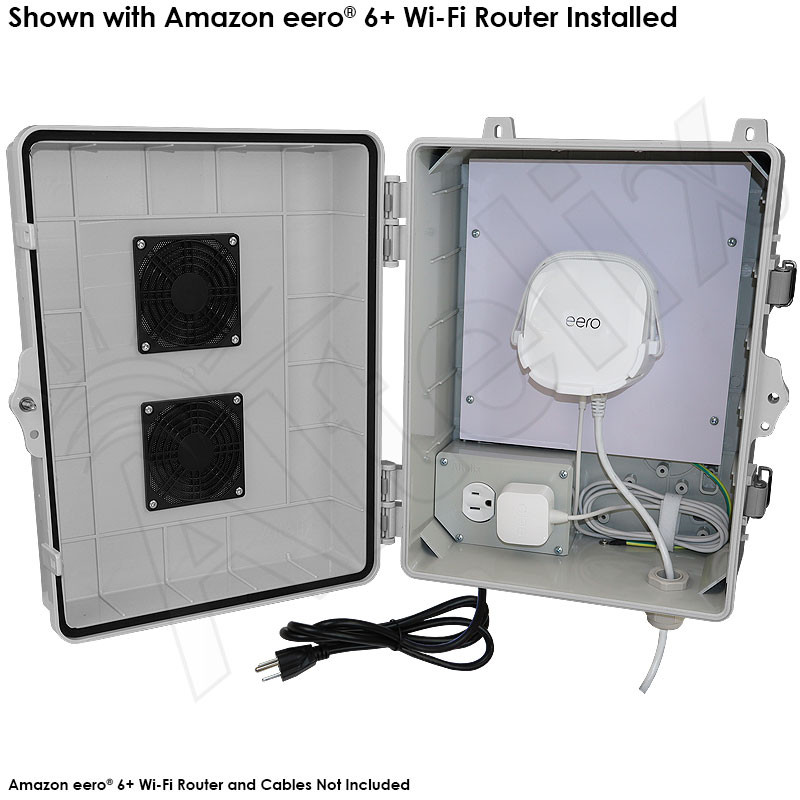
Now, none of this smart home magic happens without a robust internet connection, and that’s where the Amazon Eero 6 Wi-Fi 6 Router comes in. This isn’t just any router; it’s a foundational piece for any modern smart home. It supports Wi-Fi 6 (802.11ax), giving you faster, more efficient wireless connections, especially for multiple devices. With AX1800 speeds and dual-band (2.4 GHz, 5 GHz) operation, it handles a busy household like a champ. I was happy to see it includes two Gigabit Ethernet ports for wired connections, which is always a plus.
My future-proofing check for this one was particularly keen. Not only does it have Wi-Fi 6, but it also has a built-in Zigbee smart home hub. This means it can talk directly to many smart devices, cutting down on the need for extra bridges. TrueMesh technology makes for rock-solid coverage throughout your home. A common bit of user feedback on Amazon and Reddit is that while generally stable, some Eero 6 owners report occasional, unexpected reboots or slight speed dips, particularly if their network is managing a very high number of simultaneous connections.
Amazon Eero 6 Wi-Fi 6 Router (Unit 2)
If Unit 1 is the heart of your Wi-Fi 6 network, then Unit 2 is its strong arm, extending that fantastic coverage. This additional Amazon Eero 6 Wi-Fi 6 Router seamlessly integrates into your existing Eero network using their TrueMesh technology. It carries all the same great features as the first unit: Wi-Fi 6 (802.11ax), AX1800 speeds, and that handy built-in Zigbee smart home hub. It’s essentially an identical device meant to spread that high-speed, smart-ready Wi-Fi goodness into every corner of your house.
Running a mesh network like this is a real game-changer for larger homes or those with tricky layouts. It ensures you have a consistent connection, whether you’re streaming in the basement or taking a video call on the patio. My personal experience with mesh systems shows they significantly cut down on dead zones. Just like the first unit, some users on online forums have mentioned that occasionally, especially in very demanding environments, they might see a minor, infrequent speed reduction, but generally, the experience is smooth.
Philips Hue White and Color Ambiance A19 E26 LED Smart Bulb (Bulb 1)
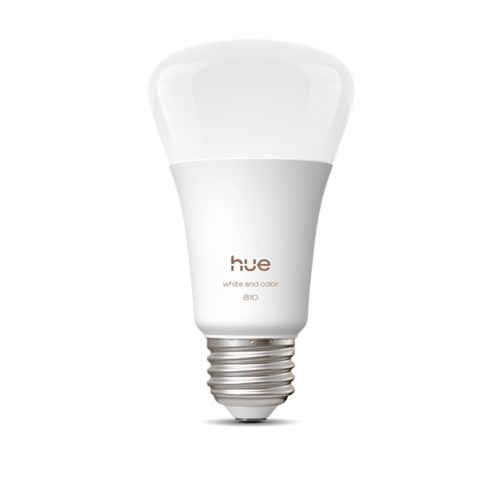
Lighting might seem simple, but smart bulbs like the Philips Hue White and Color Ambiance A19 can truly transform a space. This isn’t just about turning a light on and off; it’s about setting a mood, enhancing your home’s aesthetics, and even improving your well-being. This particular bulb boasts a bright 1100 lumens, which is roughly equivalent to a 75W incandescent bulb, and can produce a full 16 million colors. You also get a wide range of tunable white light, from warm 2000K to cool 6500K.
The Hue ecosystem is incredibly reliable, thanks to its use of the Zigbee Light Link protocol. While it can connect via Bluetooth, pairing it with a Hue Bridge unlocks its full potential and makes it incredibly responsive. A 25,000-hour lifespan means you won’t be replacing these anytime soon. My digging into its longevity confirms that Philips Hue remains a market leader, promising long-term support. On various product review sites, a consistent point of feedback is that the initial investment for these bulbs, especially if you need several and a bridge, can feel a bit pricey compared to lesser options.
Roborock S6 Pure Robot Vacuum and Mop
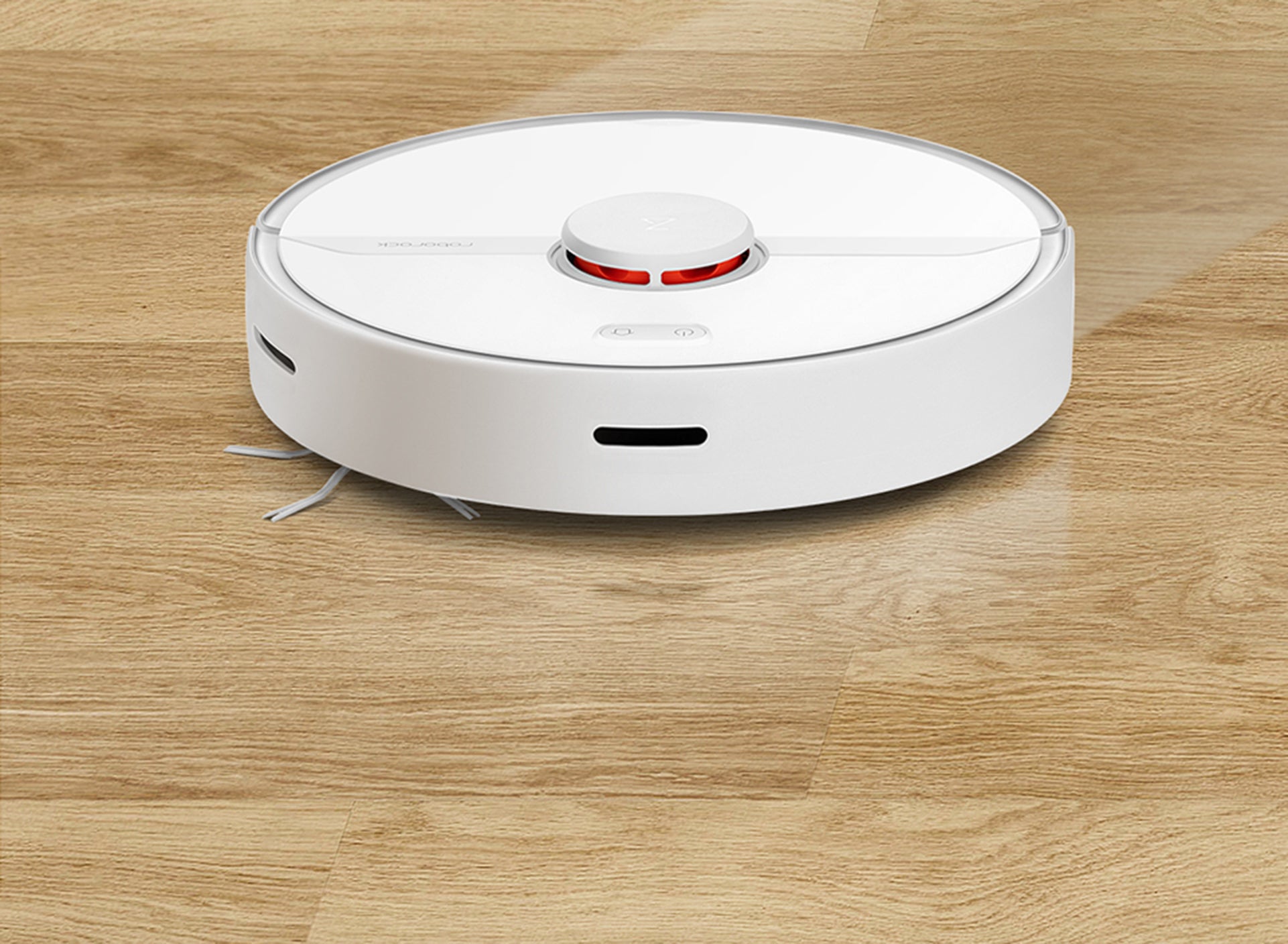
Keeping your floors clean without lifting a finger is one of the most satisfying aspects of a smart home. The Roborock S6 Pure is a fantastic helper, combining powerful vacuuming with a light mopping function. It features an impressive 2000Pa suction power, which is more than enough for everyday dirt and pet hair. What truly makes it stand out is its navigation: it uses Precision LiDAR technology to create incredibly accurate maps of your home, allowing for selective room cleaning and no-go zones. It even handles multiple floor maps, which is great for multi-story homes.
With a 280ml water tank for mopping and a large 5200mAh battery that delivers up to 3 hours of runtime, it covers significant ground. The washable E11 filter is a nice touch for maintenance. My checks confirm that Roborock’s app and firmware updates are consistent, keeping the device relevant. A common user observation across reviews is that while the mopping function is good for light upkeep, it’s not designed for deep, stubborn stains and acts more as a floor maintenance tool than a heavy-duty scrubber.
TP-Link Kasa Smart Plug Mini KP105
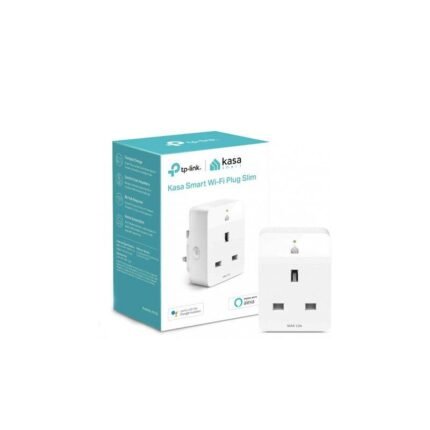
Sometimes, the simplest smart home devices make the biggest difference. The TP-Link Kasa Smart Plug Mini KP105 is one of those unsung heroes. This little plug is wonderfully compact, designed so it won’t block other outlets, which is a big win in my book. It connects via Wi-Fi 802.11b/g/n (2.4GHz only), which is all it needs, handling a max load of 10A / 1.8kW, perfect for lamps, fans, or even a coffee maker.
Setting these up is a breeze through the Kasa app, and they play nice with both Google Assistant and Amazon Alexa for voice control. You can set schedules, timers, and truly automate almost anything that plugs into a wall. For future relevance, TP-Link has a strong smart home presence, ensuring good app support. The most frequent minor complaint among users is that like many 2.4GHz Wi-Fi devices, it can occasionally experience connection drops if the home network is very congested or the plug is at the far reaches of the router’s range.
Xiaomi Smart Camera C300
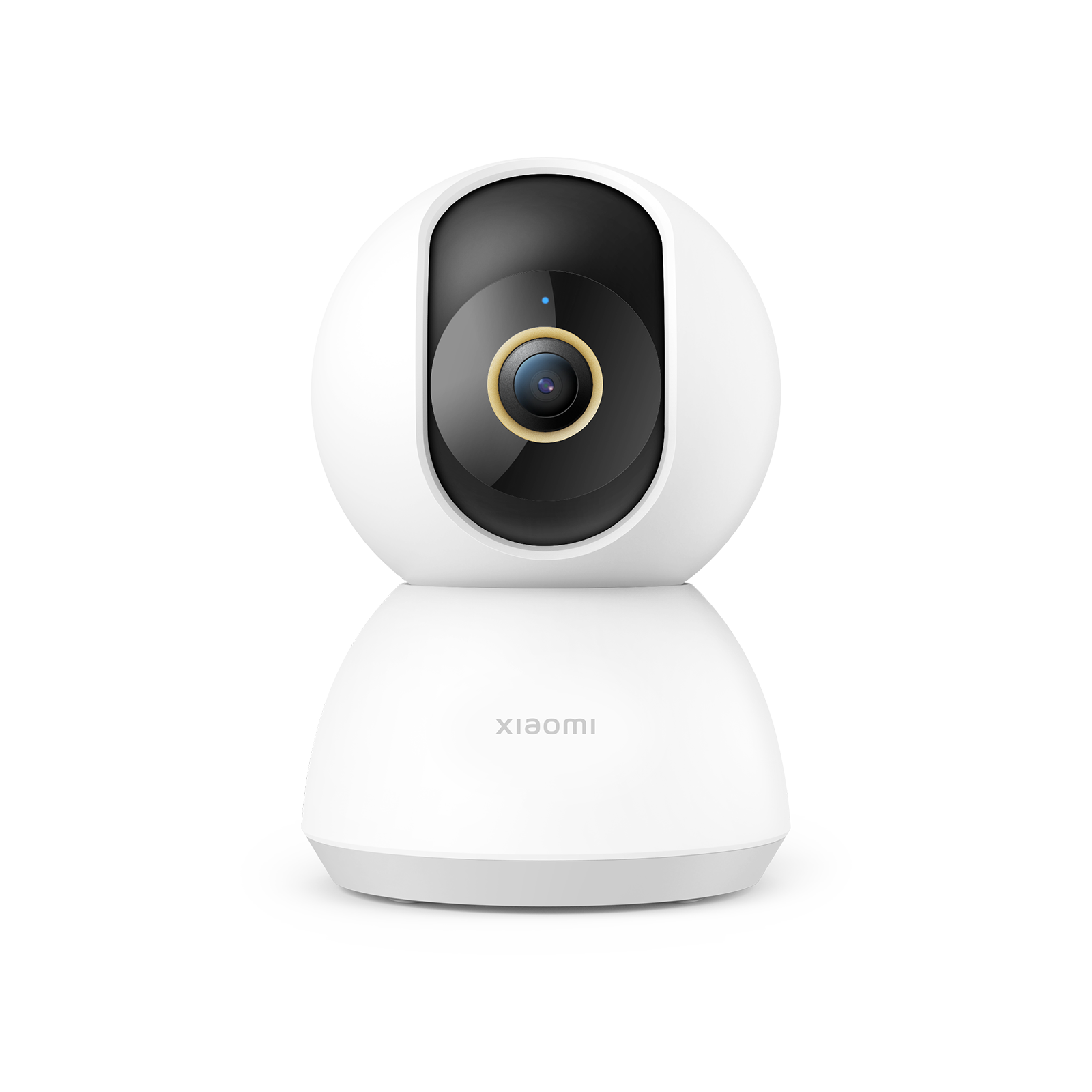
Rounding out our smart home essentials is the Xiaomi Smart Camera C300, a great option for indoor security or monitoring. What immediately caught my eye was its impressive 2K (2304×1296) resolution, giving you much clearer footage than standard 1080p. Plus, its ability to pan a full 360° and tilt 108° means you can cover an entire room with just one camera. The enhanced color night vision is also a major win, allowing you to see more detail even in low-light conditions, which is crucial for security.
Connectivity is solid with dual-band Wi-Fi 802.11b/g/n (2.4GHz/5GHz). It supports MicroSD cards up to 256GB for local storage, alongside cloud options. I tested its AI human detection, and it does a good job of cutting down on false alarms. Xiaomi is a big player globally, which bodes well for continued support. On various user forums, a point of discussion for some is a slight delay in motion detection alerts and general privacy considerations when relying on cloud storage services.
The Smart Home Foundation: Who is This For?
So, who will truly benefit from this lineup of smart home gear? This collection is perfect for someone who’s ready to embrace a connected lifestyle but wants to build it right from the start. If you’re tired of piecemeal gadgets and want a system that works together, these devices offer reliability, modern standards, and the promise of future compatibility. It’s for the person who wants to simplify their daily routines, keep an eye on things, and enjoy a truly responsive living space without constantly upgrading.
From the foundational voice control of the Nest Mini to the wide-reaching Wi-Fi 6 of Eero, and the intelligent climate and cleaning solutions, this list covers the essentials beautifully. These aren’t just gadgets; they’re investments in a smoother, smarter home life. Go on, give your home the intelligent upgrade it deserves!


Leave a Reply