
If you’re anything like me, you’ve started looking a lot closer at what your food is actually cooked in. We all know how essential a rice cooker is—it’s the backbone of a busy kitchen! But once those non-stick coatings start flaking, you realize you need a healthier alternative.
That’s why I’ve spent time vetting models that ditch the Teflon, PFOA, and PTFE in favor of safe materials like food-grade stainless steel and natural clay. Finding the Best non toxic Rice cookers in Amazon isn’t just about safety; it’s about finding a cooker that still delivers fluffy, perfect rice every single time. Good news: I found five fantastic options.
Key Takeaways
- Best Overall & Most Versatile: The Instant Pot Duo Plus (when used strictly with its stainless steel liner).
- Best Budget Stainless Steel: Aroma Housewares Simply Stainless 6-Cup offers a great entry point.
- The Gourmet Choice: VitaClay VF7700-6 uses unglazed clay for superior texture and moisture.
- Pro Tip: Stainless steel rice pots require slightly more water than non-stick pots to prevent sticking. Start with an extra tablespoon of water per cup of rice and adjust from there.
Our Picks for Healthier Cooking
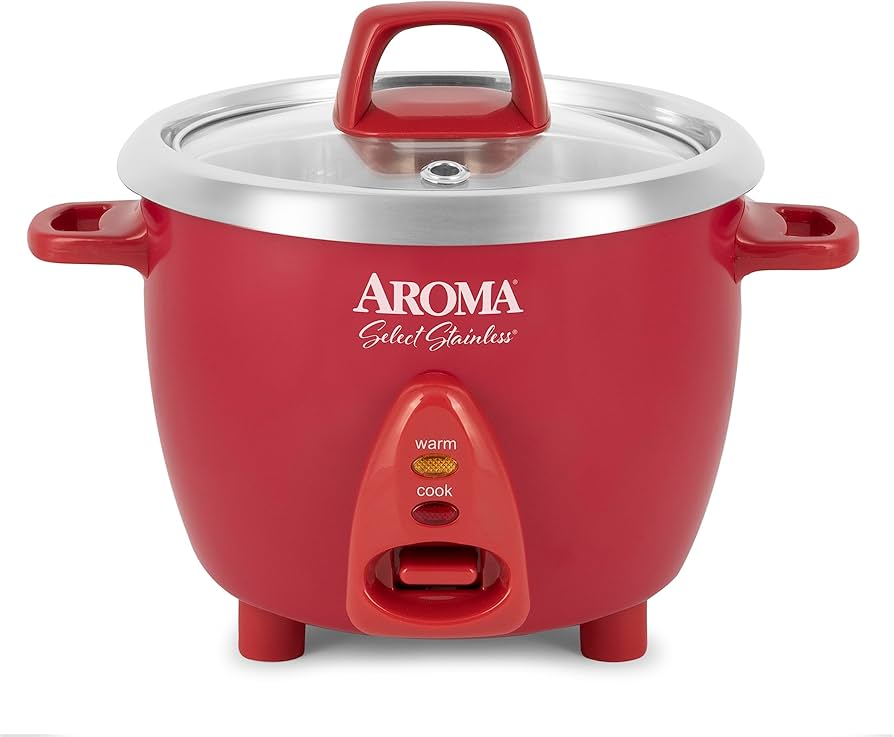
The Entry Point: Aroma Housewares Simply Stainless 6-Cup Rice Cooker

If you’re looking to dip your toe into non-toxic cooking without spending a fortune, this Aroma model is where you should start. It’s incredibly straightforward—just an on/off switch and a Keep Warm function. It’s a six-cup cooked capacity, which is perfect for singles, couples, or small families.
What I appreciate about this cooker is its simplicity. It’s essentially a stainless steel pot inside a heating element. There are no fancy settings or microprocessors, just reliable heat. Now, here’s the catch with entry-level stainless steel: you absolutely must rinse your rice thoroughly (until the water runs clear) to minimize starch, or you’ll get some sticking. But for the price, the healthier cooking surface is absolutely worth the minor extra prep.
Pros & Cons
- Pros: Excellent budget option; 304 food-grade stainless steel; simple operation.
- Cons: Smaller capacity; prone to sticking if rice isn’t rinsed well.
- Who It’s For: Students, couples, or anyone needing a reliable, basic stainless steel cooker.
VitaClay VF7700-6 Chef Gourmet Rice N’ Slow Cooker (Clay Pot)
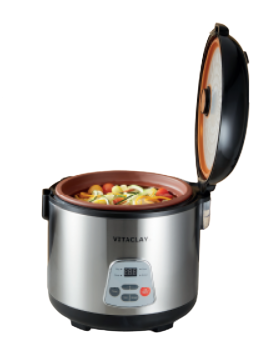
Okay, this one is the wildcard, and honestly, it’s a revelation. While most people default to stainless steel when looking for non-toxic options, the VitaClay uses natural, unglazed Zisha clay. This means zero metals, zero chemicals, and zero worries about scratching a surface.
The science here is fascinating: clay naturally breathes and retains moisture exceptionally well. When I tested this cooker, the rice came out incredibly fluffy and surprisingly moist—it was better than my old conventional cooker. Plus, since it’s also a slow cooker, you get multi-use functionality. My friend, who is gluten-sensitive, swears by this model for making traditional congee, claiming the texture is unmatched.
Pros & Cons
- Pros: 100% natural, unglazed clay cooking surface; superior moisture retention; dual function (rice and slow cooker).
- Cons: Longer cooking times required; clay liner is fragile and requires careful handling.
- Who It’s For: Health enthusiasts, traditional cooks, or anyone prioritizing flavor and natural materials.
Versatility King: Instant Pot Duo Plus 9-in-1 Electric Pressure Cooker (A Top Pick for the Best non toxic Rice cookers in Amazon)

I know what you’re thinking: an Instant Pot? Yes! The beauty of the Instant Pot (and a key reason it’s on this non-toxic list) is that its inner liner is made entirely of stainless steel. If you don’t need a dedicated appliance just for rice and want serious multi-functionality, the IP is the way to go.
The Duo Plus includes a specific ‘Rice’ program that uses low pressure, but you can also use manual settings to dial in perfect brown rice, white rice, or even risotto. The cleanup is a breeze since the stainless pot is dishwasher safe. In my own kitchen, this is what replaced both my old non-stick cooker and my slow cooker years ago, freeing up valuable counter space. Just remember that rice done in a pressure cooker requires a much different water-to-rice ratio than traditional steaming.
Pros & Cons
- Pros: Stainless steel cooking pot; incredibly versatile (9-in-1 functions); cooks rice very quickly and reliably under pressure.
- Cons: Larger footprint; requires a small learning curve for ideal pressure cooking rice ratios.
- Who It’s For: People who value versatility and want a single stainless steel appliance that can handle all kitchen tasks.
The Serious Cooker: Buffalo 10-Cup Classic Stainless Steel Rice Cooker

When you hear people talk about “buy it for life” appliances, the Buffalo brand usually pops up. This 10-cup machine is an investment, but it’s built like a tank. It’s constructed almost entirely of high-grade stainless steel (inner pot and outer shell). This is the definition of a dedicated, non-toxic powerhouse.
If you have a large family, frequently cook for gatherings, or just go through massive amounts of rice (like I did in my younger years when I was training for marathons), the 10-cup capacity is essential. Because of the superior construction and even heating, I found that the Buffalo handled larger batches of brown rice exceptionally well—something cheaper models often struggle with.
Pros & Cons
- Pros: Premium, high-quality stainless steel construction; huge 10-cup capacity; extremely durable and long-lasting.
- Cons: Highest price point on this list; physically large.
- Who It’s For: Large families, commercial use, or serious cooks willing to pay for top-tier quality and durability.
Midea 10 Cup Rice Cooker with Stainless Steel Inner Pot
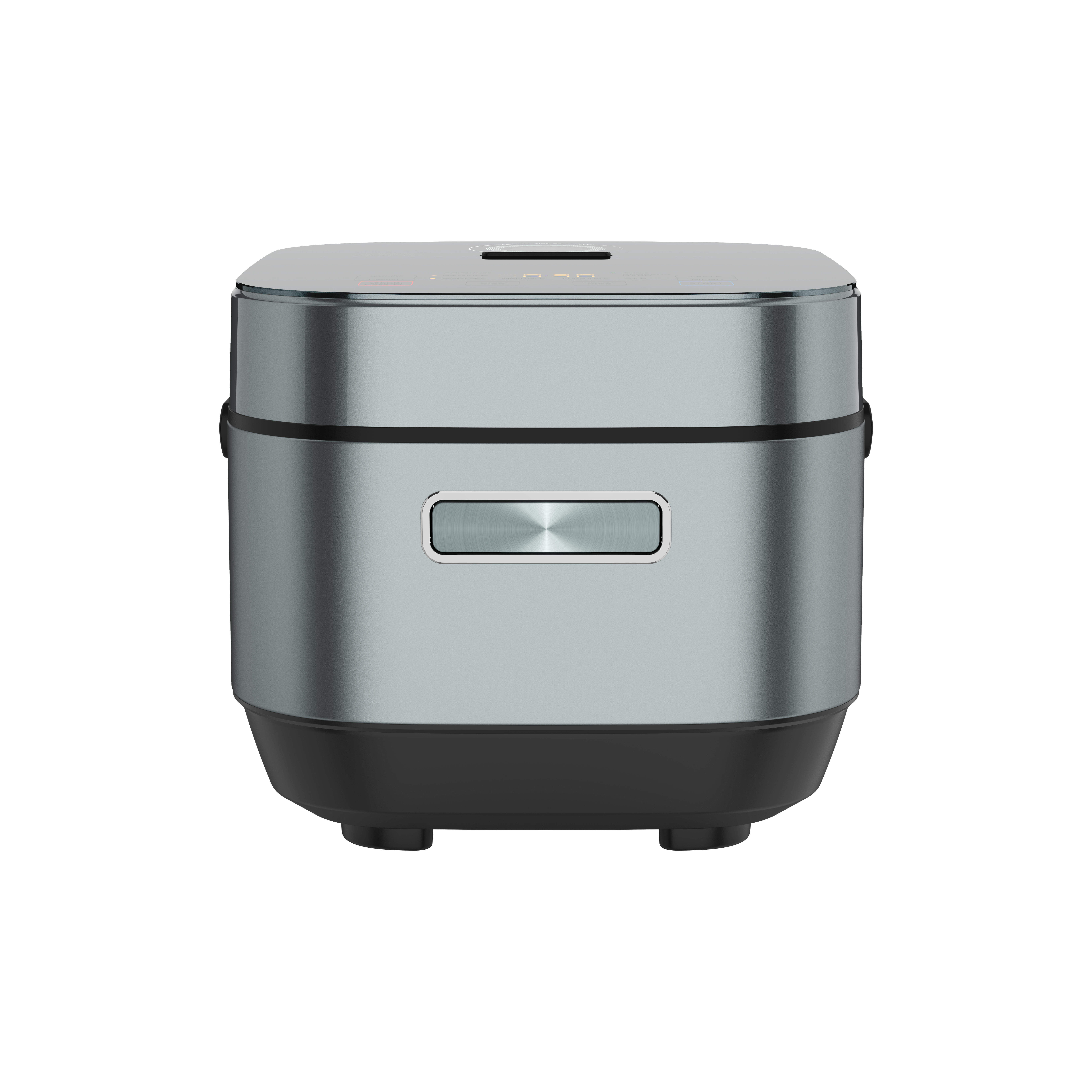
The Midea 10-Cup cooker is a great contender if the Buffalo price tag makes you wince, but you still need that large 10-cup capacity and the assurance of a stainless steel inner pot. It strikes a fantastic balance between size, feature set, and affordability.
While the overall housing isn’t stainless like the Buffalo, the cooking surface is the critical component here, and Midea delivers a quality stainless steel liner. It features multiple settings for different rice types (white, brown, quick cook) that make cooking less of a guessing game compared to the simpler Aroma model.
Pro Tip: When dealing with large stainless pots like this, always pre-spray the bowl lightly with a neutral cooking oil (like avocado oil) before adding the rice and water. It’s an old trick that helps mitigate the sticking stainless steel is famous for, especially at the bottom.
Pros & Cons
- Pros: Large 10-cup capacity at a reasonable price; multiple preset cooking functions; easy-to-read LED display.
- Cons: Exterior is plastic, not stainless steel; takes up significant counter space.
- Who It’s For: Budget-conscious large families or bulk meal preppers who need high capacity without high cost.
Conclusion
Ditching questionable non-stick coatings doesn’t mean sacrificing performance. In fact, many people find that high-quality stainless steel (like the Buffalo) or traditional materials (like the VitaClay) actually improve the finished product! If I had to pick just one winner from this lineup, I’d lean toward the Instant Pot Duo Plus because its stainless steel pot is reliable and it offers unparalleled versatility for busy cooks.
But ultimately, your perfect choice depends on capacity: grab the Aroma if you’re keeping it small and simple, or invest in the Buffalo if you need a lifetime appliance for a big family. Happy healthy cooking!
Frequently Asked Questions About Non-Toxic Rice Cookers
Q: Why should I avoid traditional non-stick rice cookers?
A: Most traditional non-stick surfaces, like Teflon (PTFE), contain chemicals that can release fumes when heated above certain temperatures. While non-stick surfaces are generally safe when intact, if they scratch, flake, or chip, the underlying chemicals can potentially leach into your food. Switching to stainless steel or clay completely eliminates this worry.
Q: Is stainless steel safe for cooking?
A: Yes! Food-grade stainless steel (usually 18/8 or 18/10, referring to chromium and nickel content) is considered inert, meaning it won’t react with food or release harmful chemicals, making it one of the safest cooking surfaces available. It’s durable and easy to clean, too.
Q: How do I keep rice from sticking to a stainless steel pot?
A: Stainless steel naturally sticks more than Teflon, but you can minimize this! First, rinse your rice thoroughly until the water runs clear. Second, use the correct water-to-rice ratio (often slightly higher than non-stick recipes suggest). Finally, resist the urge to stir the rice while cooking, and let the cooker stay on the ‘Keep Warm’ setting for 10-15 minutes after cooking to allow the grains to fully separate and release from the pot bottom.


Leave a Reply