
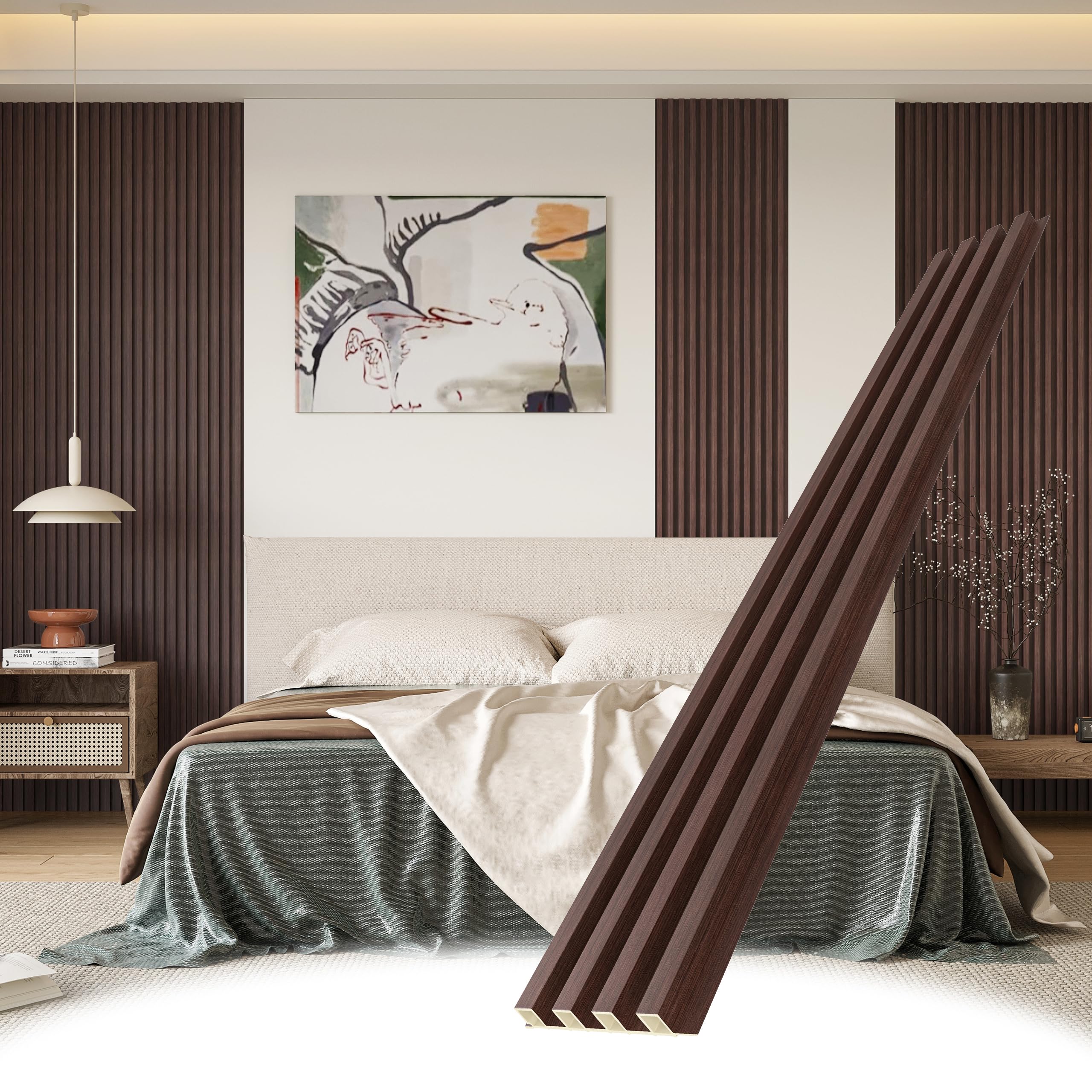
I’ve worked with a lot of accent materials over the years—from reclaimed barn wood to pricey, real-oak veneer acoustic panels. But for the average homeowner tackling a media room or a home office refresh, the cost and labor involved in pure wood can be a serious deterrent. That’s why I was genuinely impressed when I got my hands on these WPC (Wood Plastic Composite) slat panels.

Bottom Line: The WPC 95-inch slat panels are an excellent choice for DIYers seeking high-impact architectural texture and decent acoustic dampening without the weight or maintenance of natural timber.
The WPC Wood Slat Wall Panels deliver high-end architectural appeal and surprising acoustic performance in a durable, moisture-resistant package. If you’re looking for the clean lines of modern design without needing professional woodworking skills, these are an outstanding value and remarkably easy to install.
Key Takeaways
- 👉 Material Advantage: WPC (Wood Plastic Composite) provides excellent moisture resistance and durability, making them suitable for areas where real wood or MDF might warp.
- 👉 Perfect Length: The 95-inch length is just shy of a standard 8-foot ceiling, which means far less cutting for most typical interior accent walls.
- 👉 Acoustic Benefits: While not professional-grade soundproofing, the felt backing significantly reduces echo and reverberation in common living spaces.
- 👉 Installation Friendly: Lightweight and designed for simple screw or adhesive application directly to the drywall or furring strips.
First Impressions: Why WPC Matters

When the box arrived, the first thing I noticed was the weight—or lack thereof. These 8-packs are manageable, which is a huge bonus when you’re standing on a ladder trying to align a nearly eight-foot panel. WPC is a blend of recycled wood fiber and plastic polymers. What that means for you is simple: high stability and low maintenance. You don’t have to worry about humidity causing warpage the way you might with a standard MDF core panel.

Detailed Features and Construction

Let’s break down exactly what you’re getting with this particular set of panels, because size and material choices are critical here.
The 95-Inch Length is a Lifesaver
Most residential ceilings are 8 feet (96 inches). The fact that these panels come in at 95 inches means that for a standard installation running vertically, you have a critical half-inch of clearance. This space allows for slight ceiling/floor imperfections and makes getting the panel plumb and centered much easier. Trust me, trying to shave a sixteenth of an inch off an eight-foot length of material using a standard saw is tedious work.
Acoustics and Felt Backing
The back of these slats features a thick, dark grey felt material. This is what provides the acoustic benefit. It acts as a sound dampener, absorbing mid-range frequencies that cause rooms to sound “live” or echoey. If you’re setting up a home theater or a Zoom-heavy office, this feature alone justifies the cost. While they won’t soundproof a shared wall, they absolutely improve the auditory experience within the room itself.
Aesthetics and Finish
The finish—often a realistic faux oak or walnut veneer—is surprisingly convincing. It’s textured, giving the look and feel of stained wood without the periodic need for sealing or oiling. The “slats” are generally spaced with a channel that allows the dark felt backing to show through, creating that coveted high-contrast shadow line.
Performance in the Real World: Installation and Durability
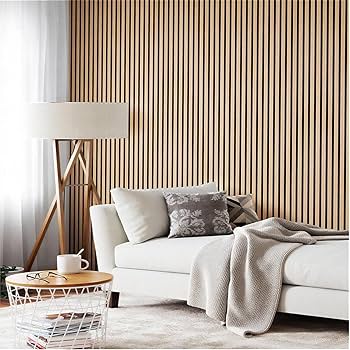
My test involved installing these on a primary bedroom accent wall. The goal was to add texture behind the bed, which often feels like a visually dead space.
Installation Speed
I chose to install these using construction adhesive (a necessity for long-term hold) and small black screws hidden in the felt backing channels for immediate support. Because the panels are wide (6 inches) and long, the coverage is incredibly fast. I managed to cover a 10-foot stretch of wall in about two hours, including measuring and cutting the end panel.
Pro Tip on Cutting: Since this is a composite material, it can chip if you use an aggressive blade. Use a fine-toothed blade on your miter saw or circular saw (like a 60-tooth or higher) and cut slowly, with the finished side facing up on a miter saw, or facing down if you’re using a circular saw, to prevent tear-out on the face veneer.
Durability Check
The WPC material handles accidental bumps well. I intentionally dragged a piece of furniture across the wall during placement, and the panel resisted scratching better than a standard painted drywall or even some real wood veneers would have. The material is also inherently resistant to warping from temperature fluctuations, which is critical if you live in a climate with seasonal humidity swings.
How It Stacks Up Against Competition
When you’re shopping for slat walls, you generally run into three main types of products, and understanding the differences is key to getting the right results for your budget and environment.
WPC vs. MDF and Real Wood Veneer
Traditional acoustic panels often use an MDF (Medium Density Fiberboard) core with a real wood veneer. They look gorgeous, but they are heavy, expensive, and notoriously sensitive to moisture. If you put MDF panels near a bathroom, basement, or unvented space, they will swell and distort over time. Real wood is the gold standard but requires maintenance and professional installation. The WPC solution hits the sweet spot:
- Better Moisture Resistance: WPC is ideal for basements, laundry rooms, or transitional spaces.
- Lower Cost: Significantly cheaper per square foot than real wood veneer products.
- Easier Handling: Lighter than thick MDF core panels, simplifying the overhead install process.
Comparison Table: WPC vs. The Alternatives
| Product Name | Core Material | Rating (Aesthetic/Durability) | Price Level | Link |
|---|---|---|---|---|
| WPC Wood Slat Wall Panels (Reviewed Product) | Wood Plastic Composite (WPC) | 9.1/10 | $$ | See Price |
| Premium Real Oak Veneer Acoustic Panel | MDF Core / Oak Veneer | 9.5/10 | $$$ | See Price |
| Basic Thin MDF Slat Wall Panels (Budget Option) | Thin MDF Core | 7.0/10 | $ | See Price |
| Peel-and-Stick Faux Wood Plank Panels | Foam/Vinyl | 6.5/10 | $ | See Price |
Pros
- ✓ Excellent architectural look for modern interiors.
- ✓ WPC construction means fantastic resistance to humidity and warping.
- ✓ The 95-inch length simplifies installation for standard 8-foot ceilings.
- ✓ Felt backing provides noticeable acoustic dampening.
- ✓ Lightweight and manageable for a single installer.
Cons
- ✕ The material requires a careful, fine-toothed blade when cutting to prevent chipping of the face finish.
- ✕ Acoustic benefits are good for echo reduction, but won’t replace dedicated soundproofing materials.
- ✕ Limited color/veneer options compared to custom real wood suppliers.
Verdict & Final Recommendation

If you are a DIY enthusiast looking to dramatically change the feel of a room—whether it’s a living room, media cave, or master bedroom—you should absolutely consider these WPC panels. They successfully bridge the gap between expensive, hard-to-maintain real wood products and cheap, flimsy foam imitations.
I find them particularly valuable for anyone working in a basement or an older home where humidity might be a concern. The durability, combined with the quick installation time and truly stylish appearance, makes these WPC Slat Wall Panels a home run for residential accent projects. You’ll be thrilled with the speed and quality of the final result.
Frequently Asked Questions (FAQ)

Can these WPC Slat Panels be used outdoors?
I would strongly advise against it. While WPC itself is used in decking, the finish and the felt backing on these particular interior accent panels are not rated for prolonged UV exposure, rain, or extreme temperature swings. They are designed exclusively for indoor use.
How do I clean these panels?
Cleaning is simple because of the composite material. A quick dusting with a dry microfiber cloth is usually enough. For spills or smudges, a slightly damp cloth with mild soap is fine. Just avoid abrasive cleaners or heavy scrubbing, especially on the felt backing.
Do I need to hire a contractor to install these?
Not at all! This is absolutely a DIY-friendly project. As long as you have basic tools (level, tape measure, saw, stud finder, and a drill), you can handle this installation yourself. The key is taking time to measure your first panel precisely; once that’s level and plumb, the rest follows easily.
Are these considered fire-rated materials?
Most standard residential WPC panels like these are not manufactured to commercial fire safety standards (like Class A). If your project requires specific fire ratings (e.g., in a commercial building or multi-unit dwelling), you must check the specific manufacturer documentation before purchase.


Leave a Reply